Modern reflecting pool with fountain jets on a terrace overlooking the Los Angeles skyline at sunset

Water FeaturesServices Los Angeles

Custom fountains, waterfalls, ponds, water walls, spillways and pool water features with pumps, filtration and lighting.

Movement, Sound and a More Relaxing Backyard

Custom water features can add movement, sound, visual interest, and a more relaxing atmosphere to patios, courtyards, pool areas, gardens, entryways, and complete outdoor living spaces. From a simple decorative fountain to a large pond, waterfall, spillway, or modern wall feature, water can become a central design element that connects landscaping, paving, seating, lighting, and surrounding architecture.

Our water feature services can include fountains, waterfalls, ponds, pondless waterfalls, bubbling rocks, wall fountains, spillways, scuppers, reflecting pools, garden streams, poolside water features, custom masonry surrounds, pumps, filtration, lighting, repair, renovation, and integration with patios, walkways, outdoor kitchens, fire features, and landscaping.

A successful water feature should look attractive while also functioning properly. The design should consider water circulation, drainage, splash control, structural support, waterproofing, pump access, filtration, electrical requirements, surrounding materials, and long-term maintenance.

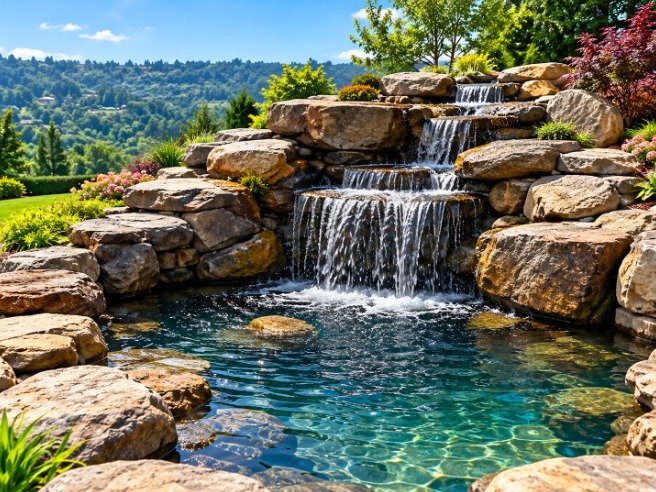
Rock waterfall flowing into a clear pool

Our Water Feature Services

Custom design, new installation, repair, renovation and maintenance for water features across Los Angeles.

Custom Water Feature Design

Every property has different space, architecture, landscape, and water-use requirements.

A custom water feature can be designed around:

  • Patio size
  • Garden layout
  • Pool location
  • Existing pavers
  • Outdoor seating
  • Entryways
  • Property views
  • Landscaping
  • Lighting
  • Available utilities
  • Desired sound level
  • Maintenance preferences

Some homeowners prefer a small fountain near a seating area, while others want a large waterfall or pond as the centerpiece of the backyard. The scale of the feature should match the surrounding space.

New Water Feature Installation

New water feature installation can be completed as a standalone project or included in a larger backyard renovation.

A typical project may involve:

  • Site evaluation
  • Design planning
  • Excavation
  • Structural construction
  • Waterproofing
  • Plumbing
  • Pump installation
  • Electrical preparation
  • Stone or masonry work
  • Lighting
  • Landscaping
  • Final water testing

The system should be designed so water circulates efficiently and mechanical components remain accessible for service.

Water Feature Repair

Existing water features may need repair because of:

  • Leaks
  • Pump failure
  • Cracked basins
  • Damaged plumbing
  • Clogged filters
  • Settled stone
  • Electrical problems

The cause should be identified before cosmetic work begins.

Water Feature Leak Repair

Leaks may occur in liners, plumbing, basins, waterfall edges, and fittings.

A leak can also be confused with normal evaporation, so the system should be evaluated carefully.

Water Feature Pump Replacement

Pumps can fail because of age, debris, incorrect sizing, or electrical problems.

Replacement should consider the original flow requirements of the system.

Water Feature Renovation

Older water features can often be updated without complete replacement.

Renovation may include:

  • New stone
  • Updated pumps
  • New lighting
  • Improved filtration
  • New spillways
  • Redesigned landscaping

Water Feature Replacement

Replacement may be appropriate when the original feature has structural damage, poor circulation, or an outdated layout.

A new design can improve:

  • Appearance
  • Efficiency
  • Maintenance access
  • Water control

Water Feature Cleaning

Maintenance may include:

  • Removing leaves
  • Cleaning filters
  • Removing algae
  • Cleaning pump intakes
  • Rinsing stone
  • Checking water level

The frequency depends on the type of feature and surrounding environment.

Outdoor Fountains

A fountain can provide a gentle background sound without requiring a large amount of space.

Tiered stone fountain in a Mediterranean courtyard with travertine pavers at sunset

Outdoor Fountains

Outdoor fountains can work in both small and large spaces, in courtyards, patios, gardens, entry areas, pool decks, and commercial plazas.

Fountain styles may include:

  • Freestanding fountains
  • Wall fountains
  • Tiered fountains
  • Bowl fountains
  • Modern fountains
  • Stone fountains

Tiered Fountains

Tiered fountains use multiple levels to create visible movement and stronger water sound. They work especially well in traditional gardens, courtyards, formal landscapes, and entry areas.

The height and water flow can be adjusted to suit the size of the space.

Freestanding Fountains

Freestanding fountains can be placed as independent features within a patio or landscape, built from stone, concrete, cast materials, metal, or ceramic.

A freestanding fountain can work well as a focal point in a courtyard, garden, or entry area.

Wall Fountains

Wall fountains are useful where space is limited and can be integrated into courtyard walls, patio walls, garden walls, privacy walls, and outdoor kitchen areas.

A wall fountain can include a decorative spout, basin, tile, stone, or modern concrete finish.

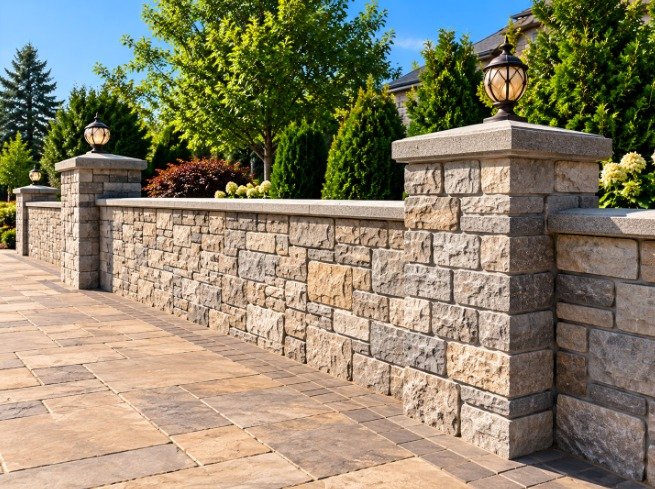
Walls & pillars

Modern Water Fountains

Design features may include:

  • Smooth concrete
  • Linear spillways
  • Stainless steel
  • Large-format stone
  • Geometric basins

They pair well with contemporary patios, large-format pavers, and modern outdoor furniture.

Natural Stone Fountains

Natural stone can create a more organic appearance, using boulders, cut stone, flagstone, stacked stone, or granite.

Natural stone works especially well in garden settings and rustic landscapes.

Bubbling Rock Features

Bubbling rocks use water that emerges from the top of a stone and flows gently over the surface. They are ideal for small patios, gardens, entry areas, and courtyards.

Bubbling rocks create sound and movement without requiring a large open basin.

Bubbling Urns

Decorative urns can be converted into water features with water flowing from the top, installed individually or in groups.

Bubbling urns work well in courtyards, garden corners, entry areas, and modern patios.

Waterfalls & Garden Streams

Waterfalls can create more movement and stronger sound than a standard fountain.

Boulder waterfall and garden stream with lighting beside a patio overlooking the Los Angeles skyline

Waterfalls

Waterfalls may be built using natural stone, boulders, concrete, masonry, or manufactured rock systems, as part of ponds, pool areas, garden features, raised landscape beds, and courtyards.

The water flow can be designed to create either a gentle cascade or a more dramatic fall.

Pondless Waterfalls

A pondless waterfall circulates water into a hidden underground reservoir instead of an open pond, providing the sound and appearance of moving water without a large exposed basin.

Pondless systems are popular for small yards, garden areas, entry features, and low-maintenance designs. The reservoir should be sized correctly for the amount of circulating water.

Garden Waterfalls

Garden waterfalls can be designed to look natural within planting areas.

They may include:

  • Boulders
  • Gravel
  • Planting pockets
  • Small streams
  • Hidden pumps

The surrounding landscape can soften the feature and make it feel integrated into the yard.

Pool Waterfalls

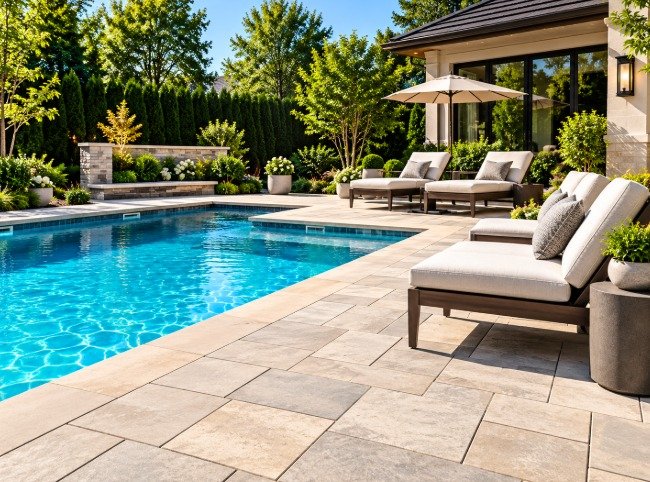
Waterfalls can be incorporated into swimming pools to create a resort-style appearance with rock waterfalls, raised spillways, wall cascades, and sheer descents.

The feature should be coordinated with the pool structure, circulation system, and deck layout.

Pool deck pavers

Garden Streams

A garden stream can create continuous movement through a landscape, with small waterfalls, stone edges, gravel beds, planting, and bridges.

The water can circulate back to a hidden reservoir or pond.

Ponds & Reflecting Pools

A custom pond can become a major landscape feature. The depth and system design should match the intended use.

Lit koi pond with boulder waterfalls below a modern hillside home at dusk

Ponds

Ponds may be designed for decorative water, aquatic plants, fish, waterfalls, and garden viewing.

A pond project may include:

  • Excavation
  • Liner or structural basin
  • Pumps
  • Filtration
  • Aeration
  • Stone edging
  • Lighting
  • Planting

Koi Ponds

Koi ponds require more specialized planning than a simple decorative pond, including adequate depth, filtration, aeration, circulation, fish-safe materials, and easy maintenance access.

The pond should also be designed to help maintain healthy water conditions.

Garden Ponds

Garden ponds can create a softer, more natural landscape.

They may include:

  • Water lilies
  • Marginal plants
  • Small waterfalls
  • Stone edges
  • Bridges
  • Pathways

The pond can be formal or natural depending on the overall landscape style.

Reflecting Pools

Reflecting pools use calm water to create a clean and architectural appearance in modern courtyards, entry areas, formal gardens, and luxury outdoor spaces.

Reflecting pools usually emphasize still water rather than strong circulation or splash.

Water Walls, Spillways & Pool Features

Architectural water features that add sound and movement to walls, pools, spas and patios.

Scuppers

Scuppers create a stream of water from a wall into a basin or pool, made from stainless steel, copper, stone, or concrete.

They can be used in both modern and traditional water feature designs.

Pool Scuppers

Pool scuppers create decorative streams from raised walls into the pool, installed in raised bond beams, feature walls, and spa walls.

Multiple scuppers can be spaced evenly for a symmetrical appearance.

Sheer Descent Waterfalls

Sheer descents create a clean sheet of water from a narrow spillway, common in contemporary pool walls, raised water features, patio walls, and courtyards.

The spillway width and water flow should be designed to produce an even sheet.

Spillway Water Features

A spillway allows water to flow over a defined edge between a raised basin and pool, spa and pool, fountain basin and lower pool, or other levels.

Spillways can be finished with stone, tile, concrete, or metal.

Rain Curtain Water Features

Rain curtains use a series of controlled water streams to create a curtain-like effect in pergolas, feature walls, modern courtyards, and pool areas.

Splash control and wind should be considered carefully.

Water Walls

A water wall allows water to flow down a vertical surface of glass, stone, tile, metal, or concrete.

Water walls provide both visual movement and sound while using relatively little ground space.

Glass Water Walls

Glass water walls create a modern, transparent appearance with clear or textured glass, lighting, and stainless steel frames.

They work especially well in contemporary courtyards and patios.

Stone Water Walls

Water can also flow across a textured face of slate, stacked stone, granite, or porcelain stone-look panels.

The surface texture changes the way the water moves and sounds.

Water Bowls

Water bowls in concrete, metal, or stone create decorative accents around pools, patios, and courtyards, used alone or paired with fire features.

Water can spill from the bowl into a lower basin or pool.

Deck Jets

Deck jets send narrow streams of water from the pool deck into the pool, creating an elegant arching effect around pool edges, raised decks, and patio areas.

Precise placement helps create consistent water arcs.

Laminar Jets

Laminar jets produce a smoother stream of water than standard deck jets and can be used in luxury pool and patio designs.

Some systems may also include lighting effects.

Fire and Water Features

Fire-and-water bowls, raised water walls with flame features, and poolside fire and water combinations create a dramatic focal point.

These projects require careful coordination of fuel, water, drainage, electrical systems, and heat clearance.

Fire pits

Water Features Around Your Outdoor Space

Pools, courtyards, entries, patios and gardens each suit different types of water features.

Poolside Water Features

Options may include:

  • Waterfalls
  • Scuppers
  • Sheer descents
  • Water bowls
  • Raised spillways
  • Deck jets

The feature should be integrated with the pool deck and circulation system.

Pool deck pavers

Courtyard Water Features

Water can create a strong focal point in an enclosed courtyard with wall fountains, center fountains, reflecting pools, bubbling urns, or small ponds.

The surrounding pavers and walls can be designed to frame the feature.

Entry Water Features

A water feature near the entrance can create a distinctive first impression, with pillar fountains, low reflecting pools, stone fountains, or linear water walls.

The scale should fit the architecture of the property.

Patio Water Features

Patio water features add sound and movement without taking up large amounts of space, using wall fountains, small spillways, bubbling stones, or compact basins.

The feature should leave enough space for furniture and circulation.

Garden Water Features

Garden features can be designed to blend into planting areas with ponds, bubbling rocks, streams, waterfalls, and urns.

Plants can help soften the edges and create a more natural appearance.

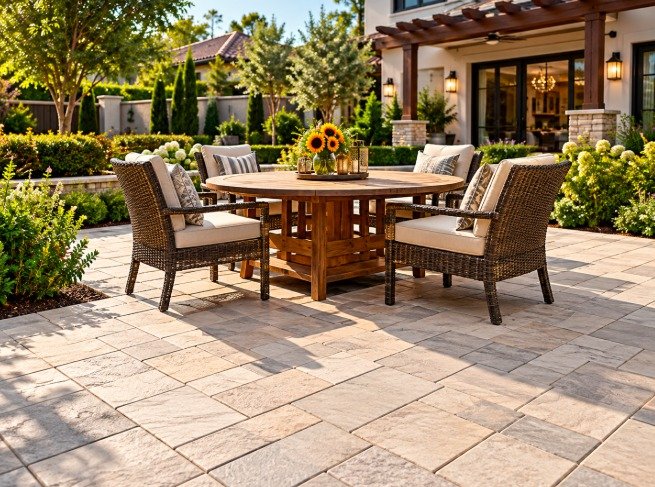
Water Features With Paver Patios

Pavers can be installed around water features using concrete pavers, porcelain pavers, travertine, brick, or natural stone.

The paving should be graded so water from splash or rain does not collect around the feature.

Patio paver services

Water Features With Retaining Walls

Water may flow over a wall, through scuppers, or into a lower basin.

The wall must be designed for both structural loads and water exposure.

Walls & pillars

Water Features With Seating Walls

A water feature can be integrated near seating walls to create a relaxing conversation area.

The design should control splash so nearby seating remains comfortable.

Water Features With Outdoor Kitchens

A fountain or water wall can add visual interest near an outdoor kitchen, positioned so water does not interfere with cooking equipment, electrical systems, food preparation, or seating.

Outdoor kitchens

Water Features With Fire Pits

Water and fire features can create separate visual zones within one patio.

The layout should allow enough separation for comfortable use and clear walking paths.

Water Features With Outdoor Fireplaces

Side fountains, wall spillways, and reflecting pools can balance the visual design near an outdoor fireplace.

The two features should be placed so heat, smoke, and water do not interfere with each other.

Outdoor fireplaces

Residential Water Features

Residential water features may include backyard fountains, garden ponds, pool waterfalls, entry fountains, and patio water walls.

The design can be tailored to the homeowner's available space and preferred maintenance level.

Water Feature Styles & Sizes

From modern spillways to natural boulder waterfalls, in spaces large and small.

Modern Water Features

Modern designs often use straight lines, concrete, porcelain, stainless steel, glass, and linear spillways.

They work well with geometric patios and contemporary architecture.

Traditional Water Features

Traditional designs may include stone fountains, tiered fountains, brick basins, and formal ponds.

These features can complement classic homes and formal landscaping.

Mediterranean Water Features

Mediterranean-style water features may use tile, stucco, stone, decorative bowls, and courtyard fountains.

Warm colors and textured finishes can create a resort-inspired appearance.

Rustic Water Features

Rustic designs often use natural boulders, irregular stone, gravel, streams, and waterfalls.

They can be designed to look like part of the natural landscape.

Water Features for Small Spaces

Compact options include:

  • Wall fountains
  • Bubbling rocks
  • Urns
  • Small bowls
  • Narrow water walls

Vertical features can add impact without using much floor space.

Large Water Features

A large project may include:

  • Multiple waterfalls
  • Streams
  • Large ponds
  • Bridges
  • Lighting
  • Planting
  • Seating areas

The scale should remain proportional to the surrounding landscape.

Commercial Water Features

Commercial water features can be used at hotels, restaurants, apartment communities, offices, shopping centers, and resorts.

Commercial systems should consider higher usage, public access, maintenance, safety, and water consumption.

Water Feature Pumps

The pump is the heart of most recirculating water features. Pump size depends on water volume, height of lift, desired flow, number of outlets, and pipe length.

An undersized pump may not provide enough flow, while an oversized pump can create unnecessary splash or noise.

Water Feature Filtration

Mechanical filters, biological filters, skimmers, and UV equipment can help keep circulating water cleaner. The appropriate system depends on whether the feature is decorative, contains plants, or supports fish.

Water Feature Plumbing

Proper pipe sizing between the basin, pump, and outlet can help improve flow efficiency and reduce strain on the pump. Plumbing should be positioned so service access remains possible.

Water Feature Electrical Systems

Pumps and lighting may require outdoor electrical service. Electrical components should be appropriate for wet locations and installed according to applicable requirements.

Water Feature Lighting

Underwater lights, LED strip lighting, spotlights, fountain lighting, and landscape lighting can highlight water movement, stone texture, falling water, and reflective surfaces.

Underwater Lighting

Submersible lights can illuminate ponds, basins, and waterfalls. The lighting system should be suitable for continuous water exposure.

Water Feature Waterproofing

Pond liners, waterproof membranes, cementitious coatings, or specialized basin systems help prevent leaks. The method depends on the construction type.

Water Feature Basins

Basins may be exposed, hidden, below grade, or integrated into masonry. The basin should be large enough to contain the operating water volume and splash return.

Splash Control

Splash depends on waterfall height, flow rate, wind, basin size, and surface texture. Proper design can help reduce water loss and staining around the feature.

Water Feature Drainage

Rain and overflow should have a place to go through overflow lines, surface grading, patio drains, and landscape drainage. Water should not be directed toward foundations or structures.

Auto-Fill Systems

An automatic fill system can help maintain the correct water level as water is lost through evaporation, splash, and wind.

Skimmers & Aeration

Skimmers remove leaves, insects, and surface debris from ponds and larger basins. Ponds and fish features may benefit from air pumps, diffusers, waterfalls, or fountains that improve oxygen exchange.

Water Feature Care & Safety

Systems should be maintained according to their equipment and local conditions.

Algae Control

Algae can develop when water, sunlight, and nutrients are present.

Management may include:

  • Improved circulation
  • Filtration
  • Cleaning
  • Shade
  • Proper water balance

Fish ponds may require different treatment methods than decorative fountains.

Seasonal Water Feature Maintenance

Maintenance can include:

  • Pump inspection
  • Cleaning
  • Water-level adjustment
  • Plant care
  • Freeze protection where applicable

Water Feature Safety Planning

Design should consider:

  • Water depth
  • Electrical systems
  • Child access
  • Walking surfaces
  • Slip resistance
  • Pool barrier requirements

The design should be appropriate for the intended users and property.

Water Feature Cost in Los Angeles

Estimated installed prices, including pump, basin and finish. Your exact price depends on size, materials, plumbing and electrical work, so every quote starts with a free on-site evaluation.

Small Fountain or Bubbling Rock

$2,500 – $6,000

Bubbling rock, urn, bowl or compact fountain with a hidden basin and pump.

Pond or Large Waterfall

$15,000 – $40,000+

Garden or koi pond, streams and waterfalls with filtration, aeration and lighting.

What Affects the Cost of a Water Feature

  • Feature type and size
  • Waterfall height and flow
  • Pond depth and volume
  • Pump and filtration system
  • Waterproofing method
  • Stone, tile, glass or concrete finish
  • Electrical and water supply
  • Lighting and auto-fill
  • Surrounding patio and landscaping

Prices are estimates only, not a final quote. Pool water features are priced with the pool's circulation system. Electrical work may require a licensed electrician and permit. Repairs are priced after an inspection.

GET MY EXACT PRICE

Our Water Feature Installation Process

Ten steps from the first site visit to the final inspection.

  1. 1

    Site Evaluation

    We review the available space, paving, landscaping, drainage, utilities, and desired feature type.

  2. 2

    Design Planning

    The size, shape, water movement, materials, lighting, and surrounding hardscape are selected.

  3. 3

    Excavation and Structural Preparation

    The area is excavated and prepared for the basin, pond, wall, or waterfall.

  4. 4

    Waterproofing

    The liner, membrane, or other waterproofing system is installed.

  5. 5

    Plumbing and Electrical Work

    Pump lines, drains, water supply, and electrical components are prepared.

  6. 6

    Pump and Filtration Installation

    The circulation equipment is installed according to the feature requirements.

  7. 7

    Stone, Masonry, or Finish Installation

    Stone, concrete, tile, stucco, or other decorative materials are installed.

  8. 8

    Lighting and Landscaping

    Lighting, planting, gravel, and surrounding details are completed.

  9. 9

    Water Filling and Testing

    The feature is filled and tested for circulation, leaks, splash, and drainage.

  10. 10

    Final Inspection

    The complete system is reviewed for appearance, access, flow, drainage, stability, and operation.

Why Professional Water Feature Installation Matters

Water features combine landscaping, masonry, waterproofing, plumbing, pumps, electrical components, and drainage.

Professional installation considers both how the feature looks and how the complete circulation system functions.

Create a Complete Outdoor Water Feature Area

A water feature can connect with paver patios, walkways, pool decks, outdoor kitchens, fire pits, outdoor fireplaces, walls and pillars, seating areas, and landscape lighting.

Planning these elements together can create a more unified outdoor environment.

Problems can occur when there is:

  • Poor waterproofing
  • Incorrect pump sizing
  • Insufficient basin capacity
  • Poor splash control
  • Inadequate drainage
  • Difficult service access
  • Weak structural support

Water Feature FAQs

It depends on the type. Bubbling rocks, urns and pondless waterfalls are the easiest, usually needing occasional debris removal, a filter or pump intake cleaning and a quick check of the water level. Open fountains need more regular cleaning to control algae and mineral buildup. Ponds, especially koi ponds, require the most care, including filtration, water quality and plant maintenance. We design each feature around the level of upkeep you prefer.

A pondless waterfall gives you the sight and sound of moving water while the water collects in a hidden underground reservoir, so there is no open basin to clean and less concern about safety around small children. A pond offers a larger water surface, reflections, aquatic plants and even fish, but needs more space, filtration and maintenance. Many Los Angeles homeowners choose pondless systems for smaller yards and lower upkeep.

Most water features recirculate the same water, so they use far less than many people expect. Water is mainly lost through evaporation, splash and wind, which increase with hot weather, tall waterfalls and open surfaces. Pondless waterfalls, bubbling rocks and well-designed basins with good splash control help reduce water loss. An auto-fill system can top off the feature automatically. Local water-use rules can change, so we design with efficiency in mind.

Properly running water features generally do not become mosquito problems, because mosquitoes prefer still, stagnant water to lay eggs. Waterfalls, fountains and bubbling rocks keep the water moving. Still areas, like reflecting pools or pond edges, can be managed with good circulation, filtration and, in ponds, fish that eat larvae. Keeping the pump running and the feature clean is the best way to prevent problems.

A bubbling rock, urn or small fountain can often be installed in one to three days. Pondless waterfalls and wall fountains typically take about one to two weeks, depending on stonework, plumbing and electrical work. Larger ponds, koi ponds and multi-level waterfalls with streams can take several weeks. We fill and test every feature for circulation and leaks before completion, and give you a clear timeline with your estimate.

REQUEST A WATER FEATURE ESTIMATE

Planning a fountain, pond, waterfall, water wall, spillway or pool feature? We evaluate the site, paving, landscaping, utilities, water flow, drainage, pump requirements, lighting, structure and maintenance goals before developing a project plan.

Tiered courtyard fountain

WHY CHOOSE

DREAM PAVING LOS ANGELES?

  • Over 13 Years of Experience
  • Licensed, Bonded and Insured
  • Custom Stone & Masonry Work
  • Pumps Sized for Your Feature
  • Water Feature & Patio Built Together
  • Free, Honest Estimates
  • On-Time Project Completion
  • Clean, Respectful Crews
  • Beautiful & Long-Lasting Results